


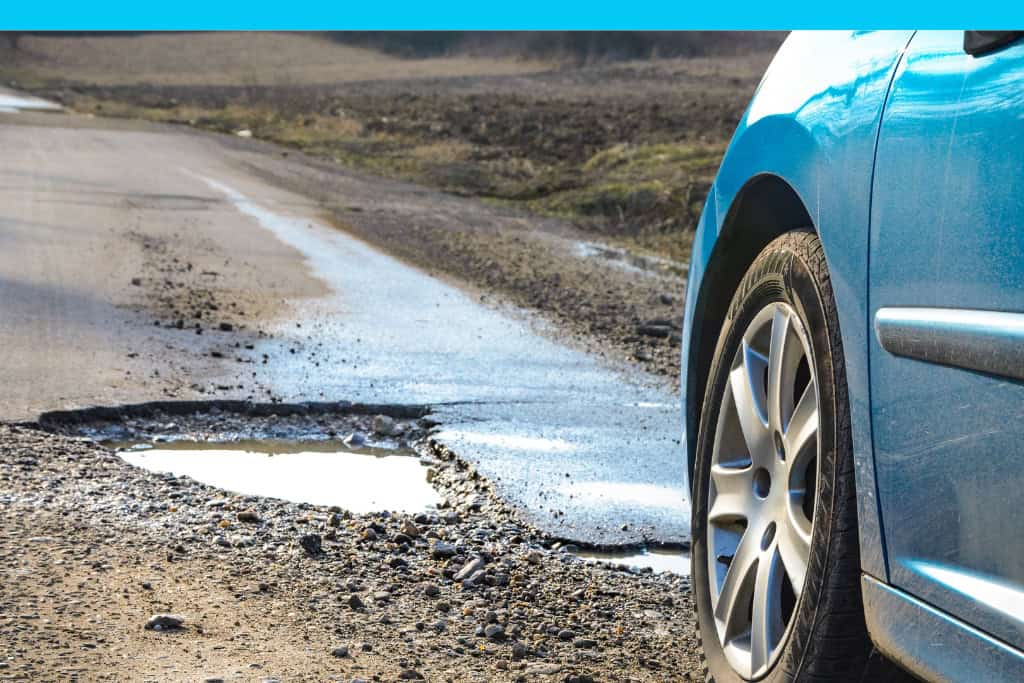
Potholes continue to be a problem for UK drivers, with an estimated amount of over one million appearing on British roads every year. And with Winter on its way, the higher chance of rain will likely lead to even more potholes, meaning that they will become an even greater issue for Brits over the next few months.
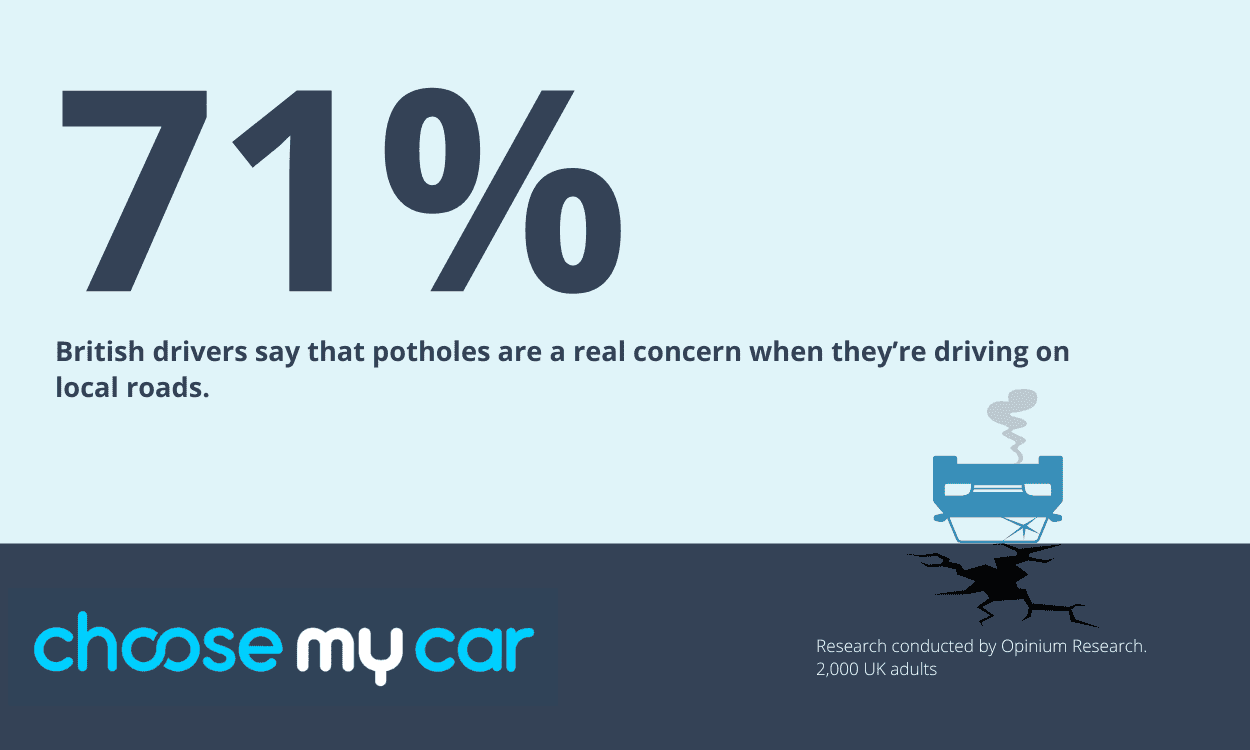
According to recent data from ChooseMyCar.com, the UK’s leading car marketplace, nearly three quarters (71 per cent) of Brits say that potholes are a real concern when they’re driving on local roads. This comes after recent data revealed an increase in pothole-related breakdowns between July and September this year of 25 per cent, compared to the same period last year.
Perhaps unsurprisingly, a third of UK drivers also said they’ve had to pay to fix their car or tyres, due to driving through a pothole.
Due to the severity of this issue, an expert at ChooseMyCar.com has given a list of essential top tips to avoid pothole damage. Whether it’s keeping a safe distance while driving, or avoiding unnecessary swerving, there are a number of steps you can take that will help you avoid excessive pothole damage to your vehicle.
It’s estimated that in the past year over one million drivers have had to pay more than £300 to repair pothole damage, with an average bill of £144 for UK motorists. To avoid paying hundreds of pounds to repair damage, it’s vital that you make sure your car is in the best condition possible before driving. The right tyre pressure, for example, will allow your car to withstand driving through a pothole better than under or over-inflated tyres.
Nick Zapolski, motoring expert and founder of ChooseMyCar.com, said that these tips will help prevent extensive pothole damage to your car.
“As potholes continue to be a problem in the UK, a third of drivers have had to pay to fix their car or tyres due to damage. If you wish to avoid paying hundreds of pounds to fix your car, you must follow a few simple steps.
“By inflating your tyres, keeping an eye out for loose tarmac or stones, or keeping at a safe distance while driving, you will allow yourself to spot dangers before it’s too late. It’s also important that you stay alert while on the road, particularly during darker hours when potholes can easily disguise themselves as puddles.
“If you do notice that your car has been damaged after driving through a pothole, get your car checked immediately and report the incident. If the road you’ve driven on is owned by a local council, they may be liable to pay costs.”
Here’s ChooseMyCar.com’s essential driving tips to prevent pothole damage while driving:
Keep your tyres inflated
Although this may sound obvious, under or over-inflated tyres are more likely to suffer damage if they hit a pothole, as they are more prone to blowouts. Properly-inflated tyres act as a cushion, allowing your car to better absorb impact if you hit a pothole. To avoid further damage, and subsequent costs, check your tyre pressure regularly and ensure that it’s at the recommended manufacturer level.
Check for chunks in the road
Although identifying signs of a pothole before you see one while driving isn’t always easy, chunks of tarmac or stones on the road can be a sign that one is nearby – remember, potholes are a result of loose road chippings. If you spot a lot of debris while driving, gently slow down before it’s too late, and you may give yourself enough time to swerve around a pothole if you need to.
Stay alert
Potholes aren’t always visible straight away, and can sometimes disguise themselves in the form of puddles. Puddles should be treated as a hazard, as they usually indicate a damaged road anyway. To avoid a pothole before it’s too late, further scan the road for cracks, dips, or faded road markings, as these can be indications that a pothole is ahead.
Maximise your visibility and keep a safe distance
As the clocks go back next month, the longer nights will result in reduced visibility, which means that potholes will be harder to spot. You will need to take extra care to see a pothole before it’s too late, so, if you’re driving at night and you’re worried about what’s in front of you, hang back at a slower speed so you can clearly see the view ahead.
Reduce speed in good time
Although potholes are sometimes unavoidable, there are still ways you can avoid driving through one. If you’re driving on a particularly bumpy road, keep a slow and steady speed, which will give you the chance to safely swerve round a pothole before it’s too late. If you do find yourself about to drive through a pothole, avoid suddenly slamming your brakes, as this can increase tyre damage.
Avoid aggressive swerving
When you spot a pothole right in front of you, your first reaction may be to swerve away from it as quickly as possible. However, doing this can lead to you losing control of your car, and colliding with other vehicles as a result. If driving through a pothole is unavoidable, keep a firm grip on your steering wheel while doing so to remain in control of your car.
Here’s ChooseMyCar.com’s essential guide on what do to if your car has been damaged by a pothole:
Get your car checked as soon as possible
If you notice that your car is pulling to one side, vibrating, or has visible tyre wear, dents, or even leaks, get your car checked as soon as possible, as these could be signs that it has suffered pothole damage. As well as fixing your car, a mechanic will also be able to check if other parts of your car are in good shape, to further ensure your safety while driving.
Check evidence and responsibility
If you’re sure that your car has been damaged by a pothole, take photographic evidence of the pothole, alongside the damage it’s caused your car, and the road where the accident occurred. If you wish to report the damage, find out who’s responsible for the roads. Smaller roads are usually maintained by local councils, whereas larger roads, such as motorways, are maintained by various government organisations, depending on the UK country.
Report and make a claim if needed
If the damage is on a council road, report the incident to the local council, as they may be liable to pay for costs and have the pothole fixed. If you wish to make a claim, make a note of the date, time and location where the damage was caused, alongside evidence that the pothole was responsible.